


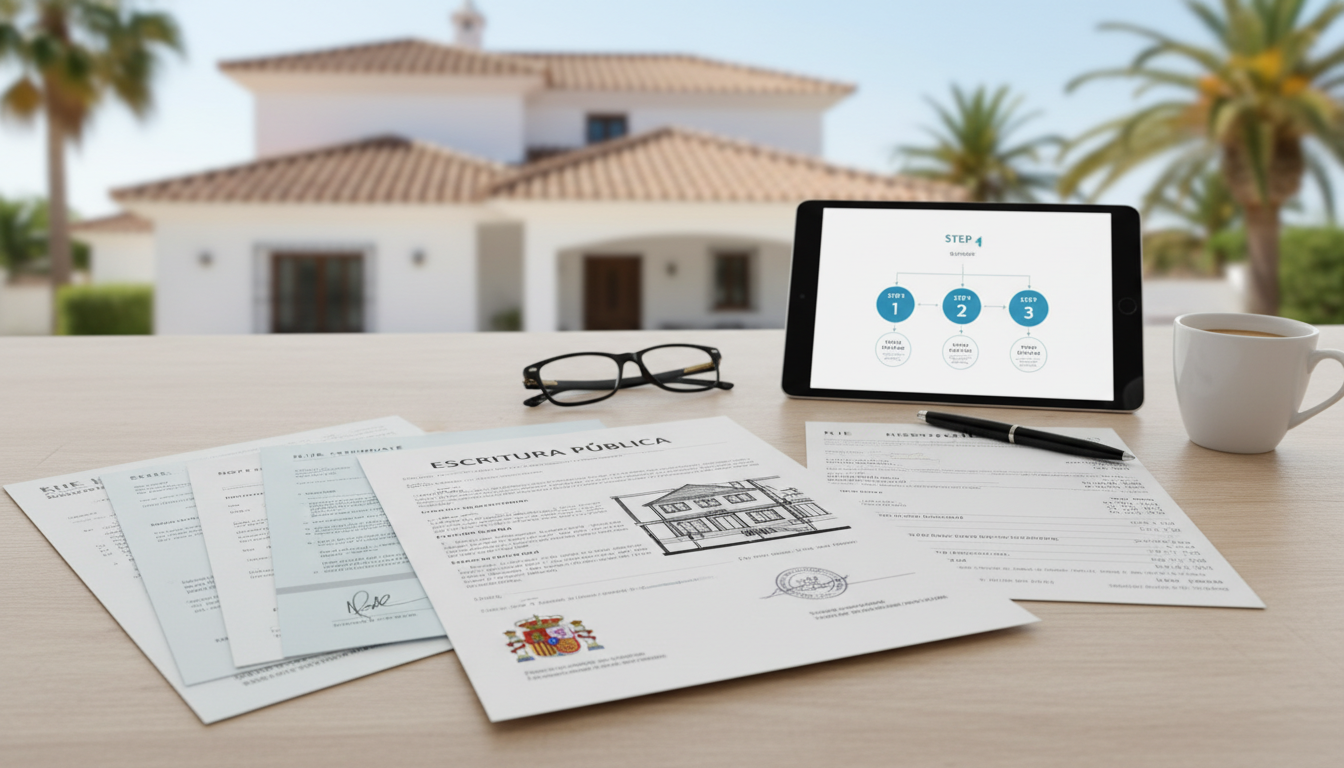
A Step-by-Step Guide to Gathering Essential Documents for Spanish Property Purchase
Purchasing property in Spain is an exciting endeavor, but it can also be a complex process, especially for foreign buyers. One crucial aspect is gathering the essential documents required for a successful purchase. This guide will take you through the step-by-step process of obtaining and preparing these documents, ensuring you are well-equipped for your journey into Spanish real estate.
1. Obtain Your NIE Number
The NIE (Número de Identificación de Extranjero) is a personal identification number required for any legal transaction in Spain, including property purchases. To obtain your NIE, you must fill out the EX-15 form and submit it, along with your passport and proof of residence, at a local police station or Spanish consulate. Remember to check for an appointment system at your local consulate or police office to avoid long waiting times.
2. Secure Your Financing
Before you dive into the property market, it’s essential to secure financing. You will need to gather your financial documents, such as:
- Proof of income (e.g., pay slips, tax returns)
- Bank statements
- Details of existing debts and liabilities
These documents will help you understand your budget and are often required by banks if you plan to secure a mortgage.
3. Gather Identification Documents
In addition to your NIE, you will need to provide valid identification. Typically, this includes:
- Copy of your passport or national ID
- Recent passport-sized photos
Make sure that your identification documents are in good condition and valid before your property purchase.
4. Proof of Residence
Providing proof of your residence can be crucial for various legal and administrative processes in Spain. Acceptable forms of proof include:
- Utility bills (e.g., water, electricity) demonstrating your name and address
- Lease agreements or property deeds if you own property in Spain
Ensure your proof of residence is recent to avoid complications during the purchase process.
5. Obtain a Bank Account in Spain
If you plan to buy property in Spain, setting up a local bank account is a smart move. You’ll need your NIE, identification documents, and proof of residence to open the account. A local account will simplify transactions such as paying for the property and managing associated expenses.
6. Draft a Purchase Agreement
Once you have chosen a property, it’s essential to draft a purchase agreement (Contrato de Compraventa). This agreement should outline the terms and conditions of the sale, including:
- Purchase price
- Deposit amount and payment schedule
- Completion date
Consult with a local real estate agent or legal advisor to ensure that the contract aligns with Spanish laws and is in your best interest.
7. Conduct Due Diligence
Performing due diligence is critical before finalizing your purchase. Ensure that the property is free of legal encumbrances, such as mortgages or debts. Request the following documents:
- Title deeds (Escritura)
- Land registry certificate (Nota simple)
- Certificate of occupancy (Cédula de habitabilidad)
Having these documents checked will protect you from future legal complications.
8. Finalize the Purchase with Notary Services
The final step involves signing the purchase deed before a notary and paying the required fees. Ensure you have all your documents ready, including identification, NIE, proof of residence, and the property agreements. The notary will ensure that both parties agree to the terms, and they will register the deed with the local land registry.
Frequently Asked Questions
What is the NIE, and why do I need it?
Can I purchase a property in Spain without being a resident?
Is it necessary to hire a lawyer for a property purchase in Spain?
What documents do I need to present at the notary's office?
What are the common costs associated with purchasing property in Spain?
Related Links
First 4 Property Group S.L
Sitio del Golf, C. Bélgica, Bloque 3, 29651 Las Lagunas de Mijas, Málaga
Visit WebsiteRelated Posts
A Step-by-Step Guide to Collecting Essential Documents for Spanish Property Purchase
Sep 23, 2026

Essential Guide to the Legal Process of Buying Property in Spain as a Foreigner
Sep 21, 2026

Understanding the Benalmadena Real Estate Market for Savvy Buyers
Sep 21, 2026

Understanding Property Investment Opportunities in Benalmadena
Sep 20, 2026