


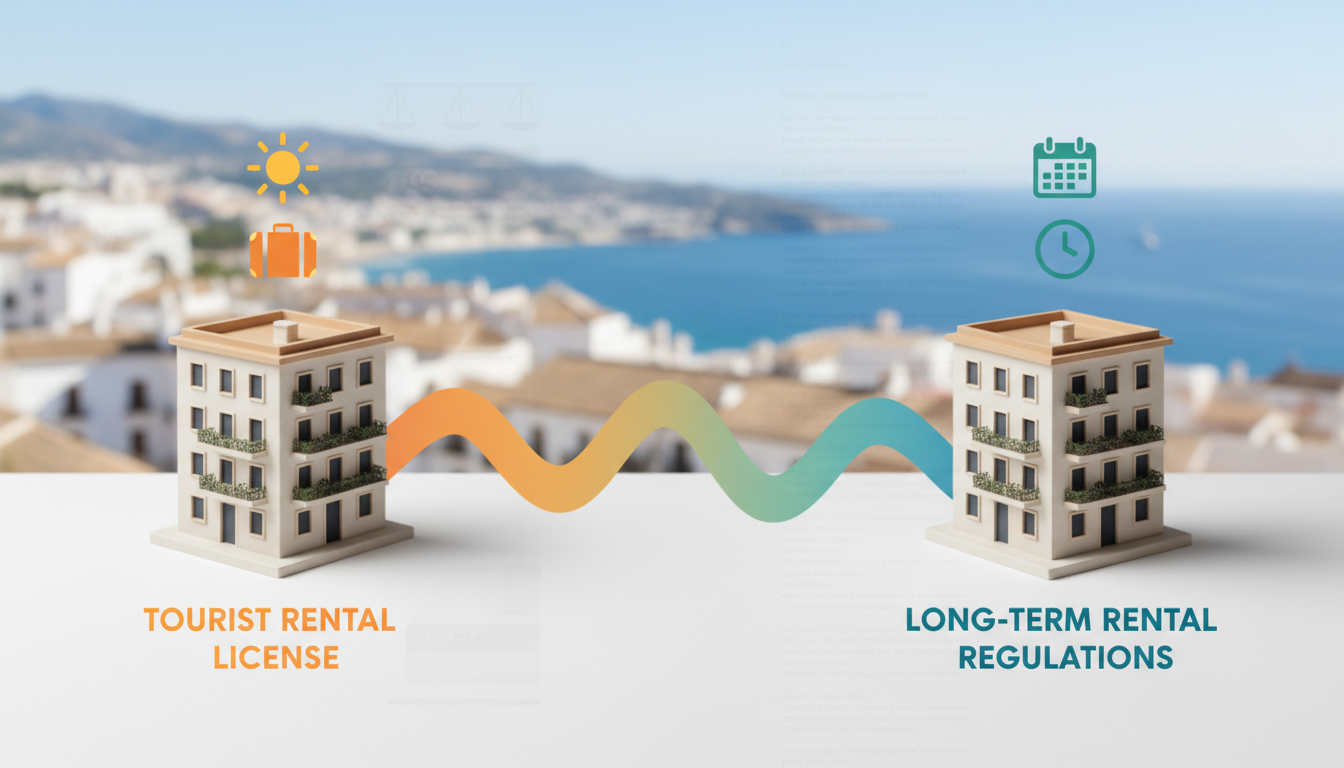
Understanding the Differences Between a Tourist Rental License and Long-Term Rental Regulations in Spain
If you are considering investing in rental properties in Spain, it's crucial to understand the various regulations governing different types of rentals. Spain’s rental market can be confusing, especially when distinguishing between a tourist rental license and long-term rental regulations. This comprehensive guide will shed light on these two categories, their requirements, and how they apply to property owners.
What is a Tourist Rental License?
A tourist rental license, also known as a "vivienda de uso turístico" (VUT), is a legal permission granted to property owners to rent out their homes to tourists for short stays, typically less than 30 days. Each autonomous community in Spain has its specific regulations governing the issuance of these licenses. Generally, having a tourist rental license allows owners to benefit from the booming tourism industry, particularly in popular destinations like Barcelona, Madrid, and the Costa del Sol.
Requirements for Obtaining a Tourist Rental License
While the requirements may vary by region, common criteria for obtaining a tourist rental license include:
- A property must meet safety, hygiene, and habitability standards.
- Registration with the local tourism authority.
- Payment of applicable local taxes, such as tourism tax.
- Providing a complaint book for guests and ensuring the availability of essential services.
What are Long-Term Rental Regulations?
Long-term rental refers to leasing a property for an extended period, typically more than 30 days. These rentals are subject to different regulations than short-term tourist rentals. The primary legal framework governing long-term rentals in Spain is the Urban Lease Act (Ley de Arrendamientos Urbanos), which dictates the rights and duties of both landlords and tenants.
Requirements for Long-Term Rentals
The obligations for owners renting their properties long-term generally include:
- Creating a rental agreement that complies with local laws.
- Registering the contract with the relevant autonomous community if required.
- Ensuring the property is safe and habitable, in accordance with regulations.
- Respecting tenant rights regarding duration, deposit, and eviction processes.
Key Differences Between Tourist Rental and Long-Term Rental
Understanding the distinctions between tourist rental licenses and long-term rental regulations will help you navigate the Spanish rental market more effectively. Here are some key differences:
Duration of Lease
Tourist rentals are typically for short stays, often less than 30 consecutive days, allowing for a flexible rental turnover. In contrast, long-term rentals provide stability with leases that usually last a minimum of six months to several years.
Licensing and Regulations
A tourist rental license is mandatory for short-term rentals and is governed by regional tourism laws. Long-term rentals, however, fall under the Urban Lease Act, focusing more on tenant rights and establishing a fair framework for rental agreements.
Tax Implications
Owners of tourist rentals may be required to pay different taxes, including VAT and local tourist taxes, while long-term rental income is typically subject to standard income tax laws. Owners must stay updated on tax regulations that apply to their specific rental type.
Management and Maintenance Responsibilities
For tourist rentals, landlords often must manage bookings, cleaning, and maintenance frequently due to the rapid turnover of guests. Long-term rental properties, however, usually involve less frequent tenant turnover, allowing landlords to focus on ongoing maintenance rather than daily management.
Market Demand
The demand for tourist rentals generally fluctuates seasonally, influenced by tourism trends. Long-term rentals provide a more stable income stream, as they maintain occupancy through lease agreements with tenants regardless of the tourism season.
Conclusion
In summary, understanding the differences between a tourist rental license and long-term rental regulations is essential for property owners in Spain. Whether you choose to invest in short-term or long-term rentals depends on your financial goals, property location, and your capacity to manage rental logistics. Always consult local regulations and seek professional advice to ensure compliance with the law.
Frequently Asked Questions
What is the main purpose of a tourist rental license in Spain?
How do the tax obligations differ between tourist and long-term rentals?
Can a property be used for both tourist and long-term rentals?
What happens if I operate a tourist rental without a license?
How can I ensure my property meets safety and habitability standards?
Related Links
First 4 Property Group S.L
Sitio del Golf, C. Bélgica, Bloque 3, 29651 Las Lagunas de Mijas, Málaga
Visit WebsiteRelated Posts

The Future of Tourist Rental Licenses in Spain Trends Challenges Opportunities
Sep 27, 2026

Unlocking the Benefits of a Tourist Rental License for Spanish Property Owners
Sep 27, 2026

The Effect of Local Regulations on Tourist Rental Licenses in Costa del Sol
Sep 27, 2026
Understanding Tourist Rental License vs Long-Term Rental Regulations in Spain
Sep 27, 2026